
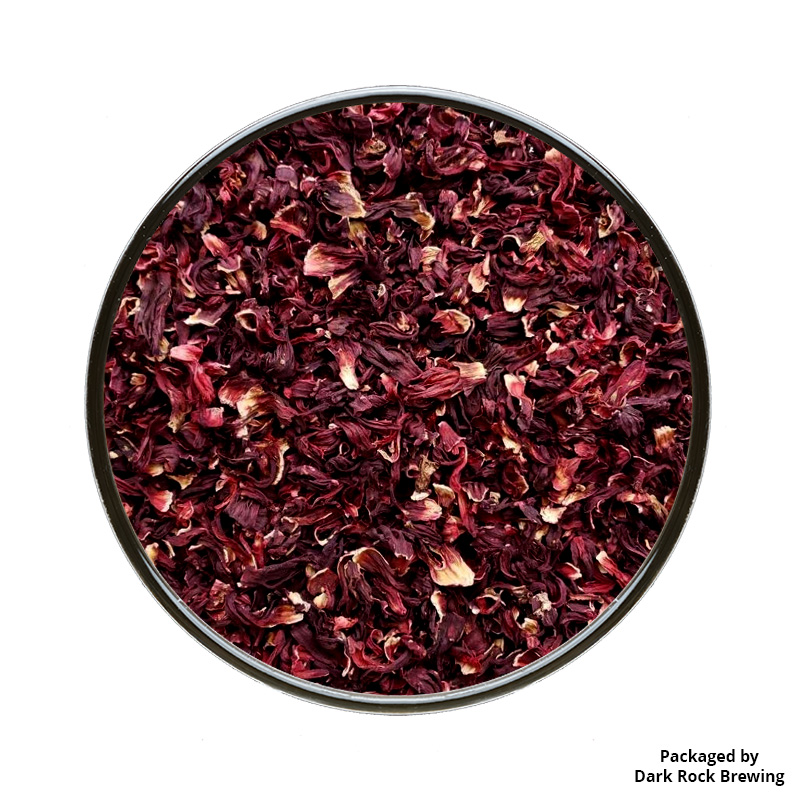
Dried Hibiscus Flowers | 25g
£1.50
Order within -
These large, colourful flowers are perfect for your next gin variation. Hibiscus is very popular among gin makers, mainly due to its more robust flavouring.
Description
Dried Hibiscus Flowers – 25g
Dried hibiscus flowers come from the Hibiscus sabdariffa plant. They deliver a vibrant tart, cranberry-like flavour with floral notes. Brewers and distillers use hibiscus for colour, acidity, and aroma. It is a popular botanical in both drinks and culinary applications.
Hibiscus is naturally rich in organic acids and deep red pigments. These compounds create both sharpness and striking colour in beverages.
Hibiscus in Gin
Distillers use hibiscus flowers to add colour and floral complexity to gin. It contributes tart berry-like notes and a light floral aroma. Hibiscus pairs well with citrus peel, juniper, and spice botanicals. During infusion or distillation, it releases bright and tangy flavour compounds.
It is often used in contemporary pink or flavoured gin styles. Hibiscus also enhances visual appeal with a natural ruby-red hue.
Hibiscus in Beer
Brewers add hibiscus to create tart, refreshing, and vibrant beer styles. It works especially well in wheat beers, sour beers, and saisons. Hibiscus contributes cranberry, raspberry, and floral tartness. It also imparts a striking pink to deep red colour.
Add hibiscus during the boil or late fermentation for best results. Boil additions produce more integrated flavour and stable colour. Late additions preserve brighter aroma and fresher fruit character.
It also works well in fruit beers and experimental summer ales.
Hibiscus in Wine and Cider
Winemakers and cider makers use hibiscus for acidity and colour enhancement. It is often used in flavoured wines, meads, and spiced cider blends. Hibiscus adds tartness that balances sweet fruit profiles. It also contributes a deep pink-red hue to finished drinks.
Use carefully, as hibiscus can quickly increase acidity and dryness.
Are Hibiscus Flowers and Sorrel the same?
Not exactly, but they are closely related and often confused.
The term sorrel usually refers to the same plant in some regions, especially the Caribbean. In this context, “sorrel drink” is made from hibiscus calyces.
So they are not always the same thing, but in beverage use, sorrel and hibiscus are usually referring to the same ingredient.
How to Use Hibiscus Flowers
Add dried flowers directly to wort, must, or infusion liquid. Light crushing can increase extraction of colour and flavour compounds. Steeping in hot water first creates a strong hibiscus tea base.
Add during boil, whirlpool, or secondary fermentation depending on style.
Boil additions give deeper colour and more rounded acidity.
Late additions preserve brighter aroma and sharper tartness.
Flavour Strength and Usage Tips
Hibiscus is highly flavour-active, so small amounts are effective. Overuse can create excessive tartness and astringency.
Fresh dried flowers provide the best colour and aroma intensity. Long contact times increase extraction of both flavour and colour.
Hibiscus works best in bright, fruity, or refreshing beverage styles. It is especially popular in modern craft and seasonal drinks.



There are no reviews yet. Be the first one to write one.